15 Enchanting Teacup Garden Decor Ideas to Transform Your Space
“Nature always wears the colors of the spirit.”
Teacup gardens beautifully blend the charm of nature with the whimsy of decorative artistry. Small yet impactful, these miniature gardens invite greenery into both your indoor and outdoor spaces, infusing them with peace and aesthetic delight. They serve not merely as decor but as tiny ecosystems that remind us to nurture life, even in our busiest moments. In this article, you’ll discover 15 creative and achievable teacup garden ideas that can infuse your home with personality and cheer.
Whether you’re an experienced gardener or just testing the waters, this guide will spark your imagination. With the right teacups, you can create enchanting displays tailored to any taste or style, all while enjoying a fulfilling, hands-on project. Let’s dive into these delightful ideas for transforming teacups into stunning miniature gardens!
1. Enchanted Fairy Garden — A Whimsical Wonderland
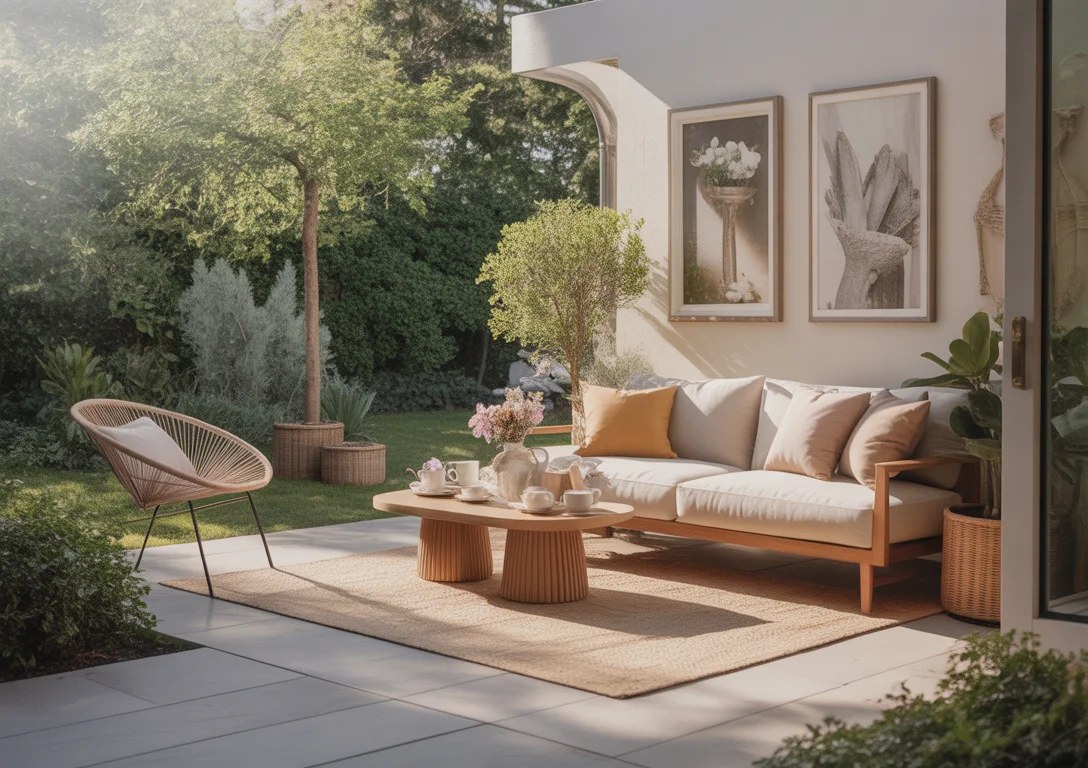
The Look: Imagine a charming teacup brimming with lush moss, delicate flowers, and tiny fairy figurines creating a delightful storybook scene. The soft greens and pastel colors evoke a magical forest, inviting whimsy into your home.
How to Do It: To craft your fairy garden, choose a teacup that speaks to you, ideally standing about 3”-5” tall. Fill it with potting soil, and layer moss atop for a whimsical forest floor. Add small figurines and miniature accessories from craft stores ($$), like tiny doors or paths made from pebbles.
Pro Tip: Use a waterproof liner to prevent soil leakage and ensure longevity.
2. Vintage Teacup Elegance — Timeless Beauty
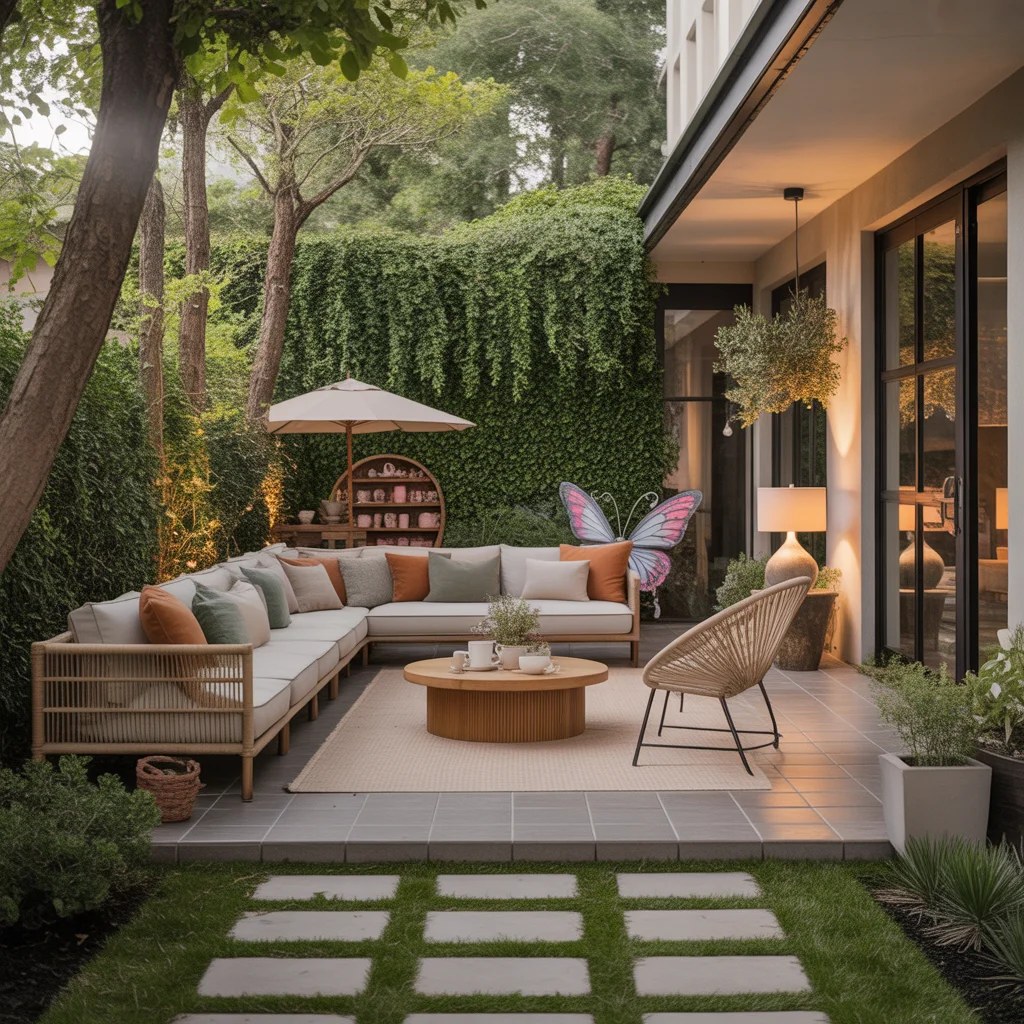
The Look: Antique or vintage teacups, with their intricate patterns and comforting nostalgia, make stunning homes for delicate flowers like bright violets or soft pink miniature roses. This setup exudes elegance and piques curiosity.
How to Do It: Source vintage teacups from thrift stores for under $20 ($). Fill the cups with quality potting soil and select blooms that complement the cup’s colors. Place them in areas where they catch light, such as a sunlit windowsill.
Pro Tip: Choose flowers that flourish in indirect light for lasting beauty.
3. Succulent Delight — Drought-Resistant Charm
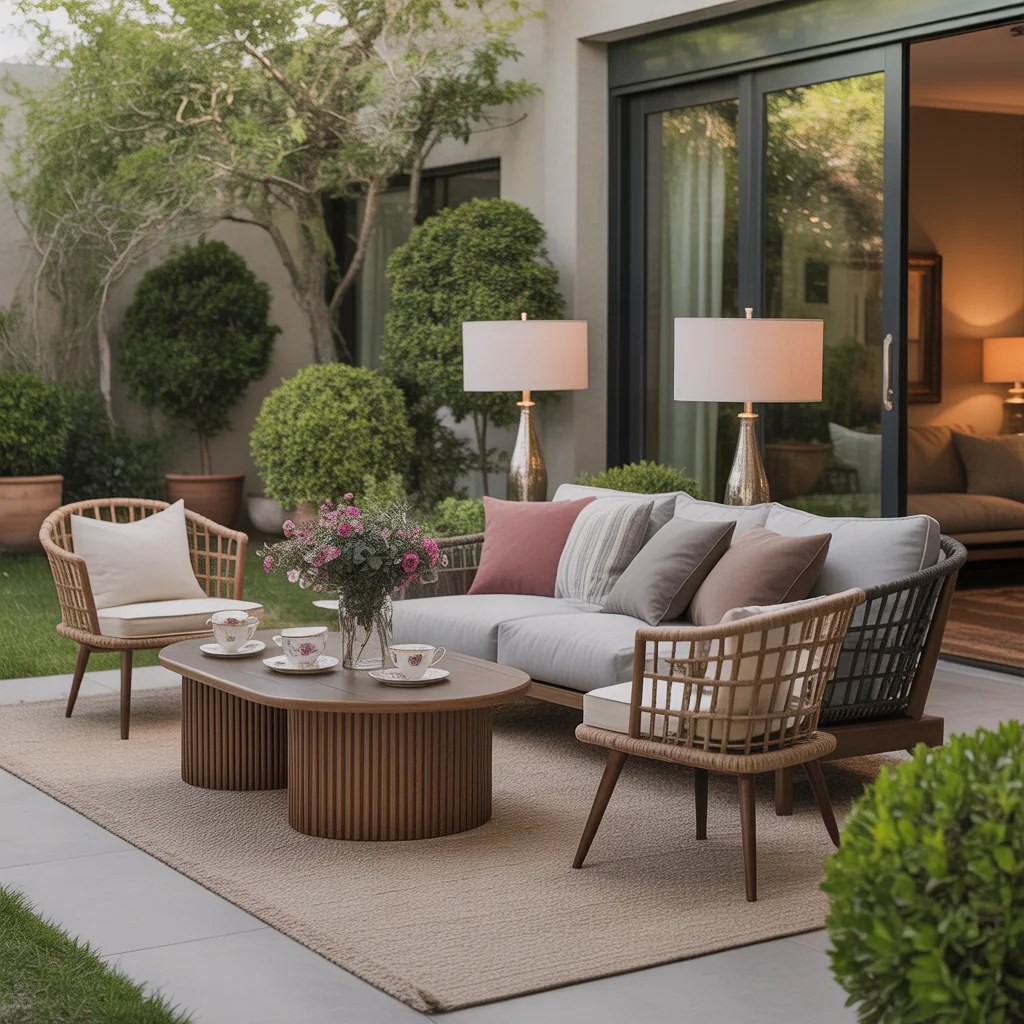
The Look: A medley of colorful succulents nestled in a vibrant teacup creates a striking visual. Their varied textures and shapes offer depth while an earth-toned teacup can ground the overall look.
How to Do It: Pick a teacup approx. 4”-6” wide. Layer the bottom with gravel for drainage, then add cactus soil and arrange succulents like Echeveria, Haworthia, and jade plants. Expect costs around $15-30 ($) for a beautiful collection.
Pro Tip: Group similar succulents to create a cohesive color palette.
4. Tropical Paradise — Bringing Nature Indoors
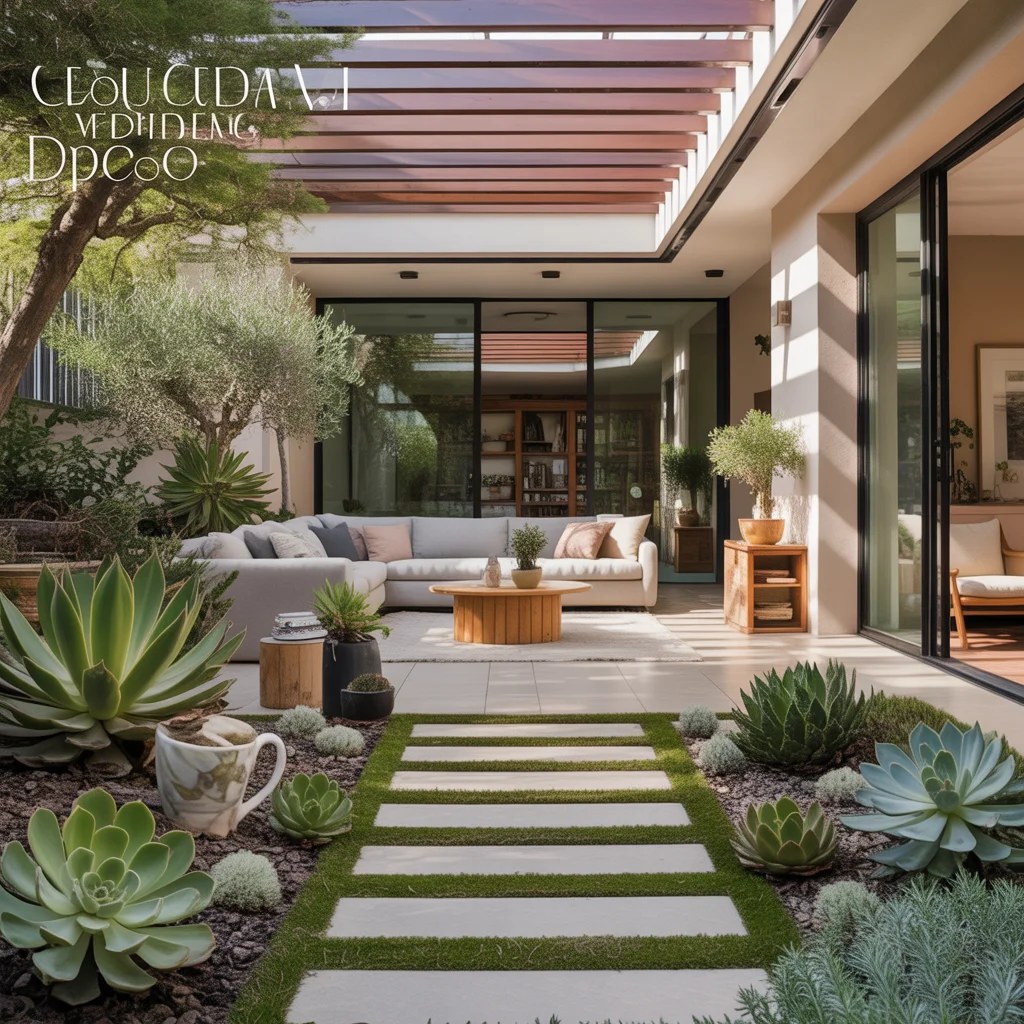
The Look: Create a tropical oasis using vibrant teacups to house mini ferns or bromeliads. The vivid greens can mimic the tropics, making your space feel fresh and inviting.
How to Do It: Opt for ceramic teacups to retain moisture. Fill them with potting soil and small tropical plants, ensuring they get plenty of bright, indirect light ($30-60 $$) for thriving growth.
Pro Tip: Mist these plants regularly to maintain humidity and vibrancy.
5. Culinary Herb Garden — Fragrant and Functional
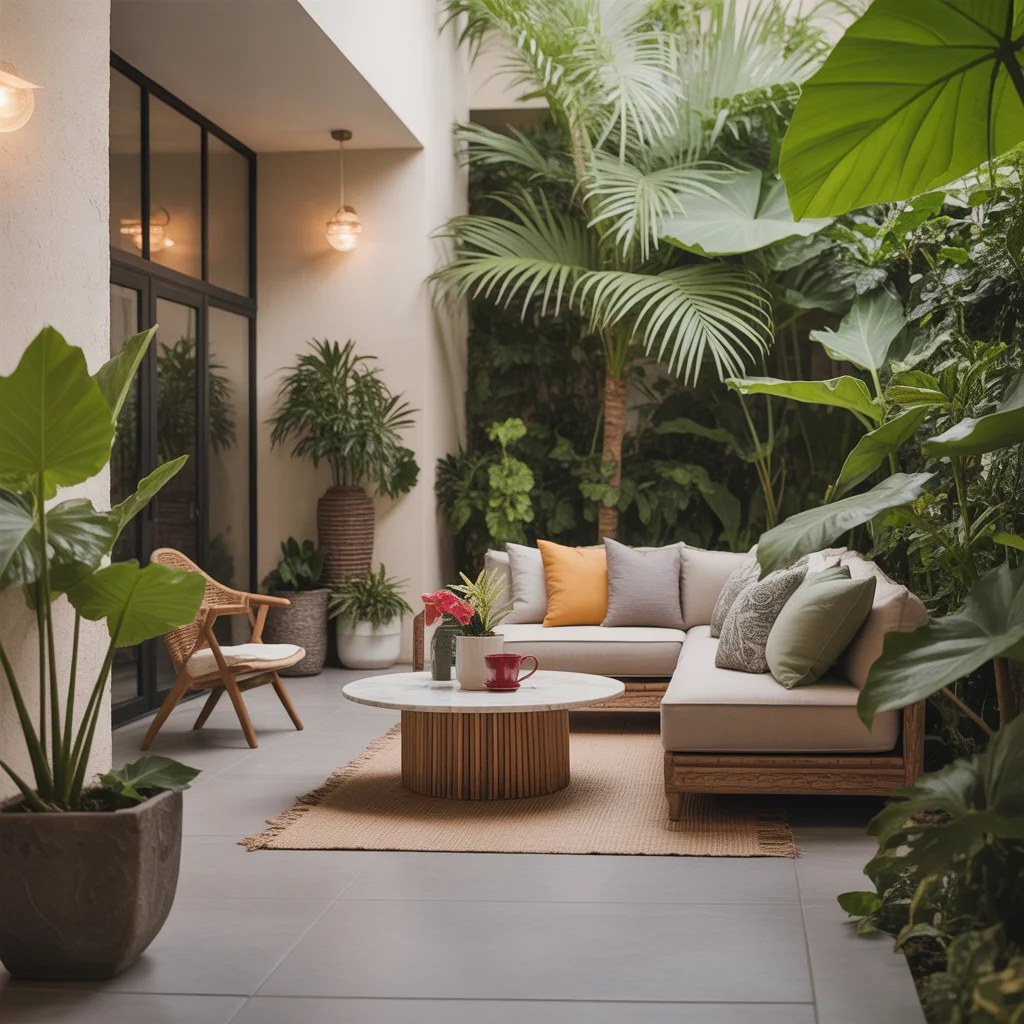
The Look: Picture a quaint teacup bustling with vibrant herbs like basil, mint, and thyme. Their rich green hues intermingle, releasing delightful aromas sure to entice the senses.
How to Do It: A 5” teacup is ideal; fill it with potting mix and position your herbs in a harmonious arrangement. Herb teacups can be created for about $15 ($), perfect for small kitchens or dining tables.
Pro Tip: Cut the herbs back regularly to encourage bushy growth and to create delicious culinary delights.
6. Seasonal Spirit — Celebrate with Nature
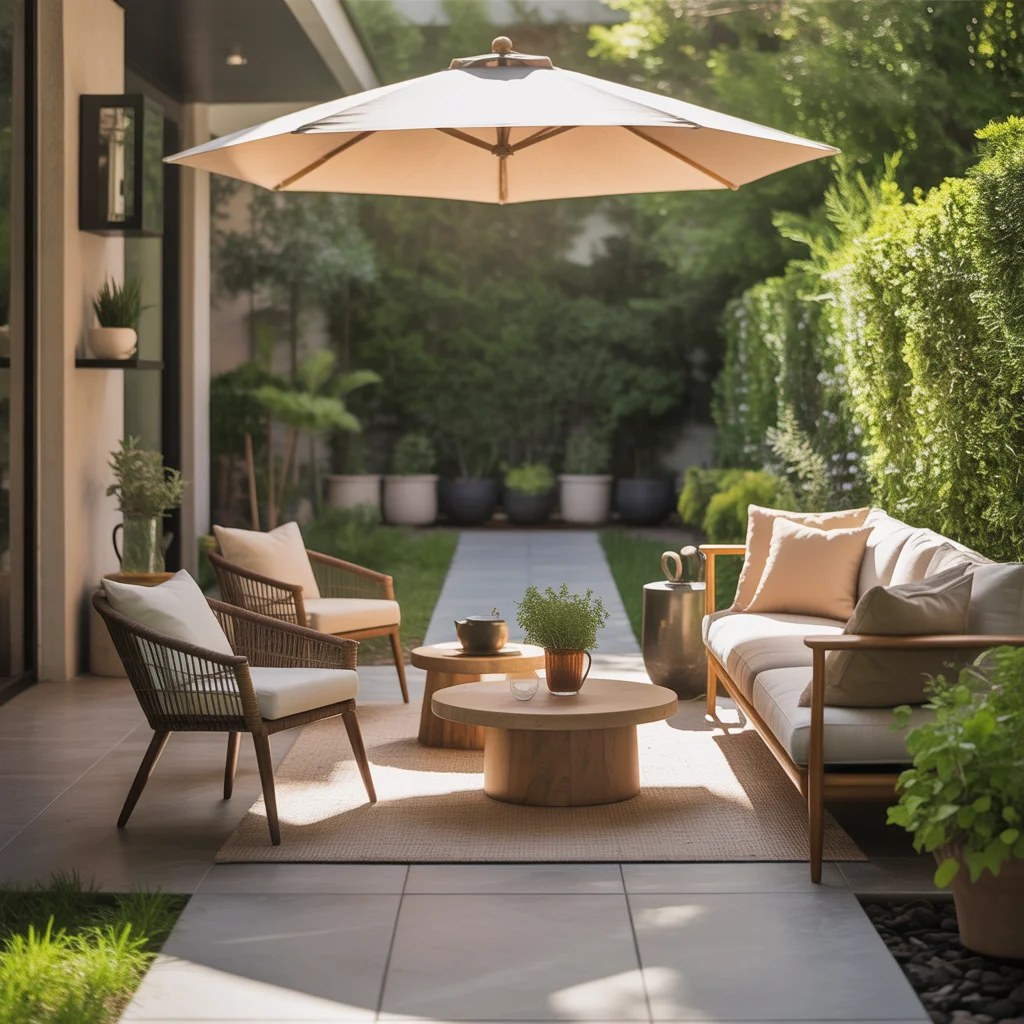
The Look: Tailor your teacup garden around seasonal themes, adorning them with seasonal flowers or colors that resonate with different times of the year.
How to Do It: Accessorize your garden using cups that feature seasonal designs and fill them with appropriate floral selections—from snowdrops in winter to sunflowers in summer ($15-25 $).
Pro Tip: Rotate the plants every season for an ever-evolving display.
7. Rustic Charm — Embrace Nature’s Imperfections
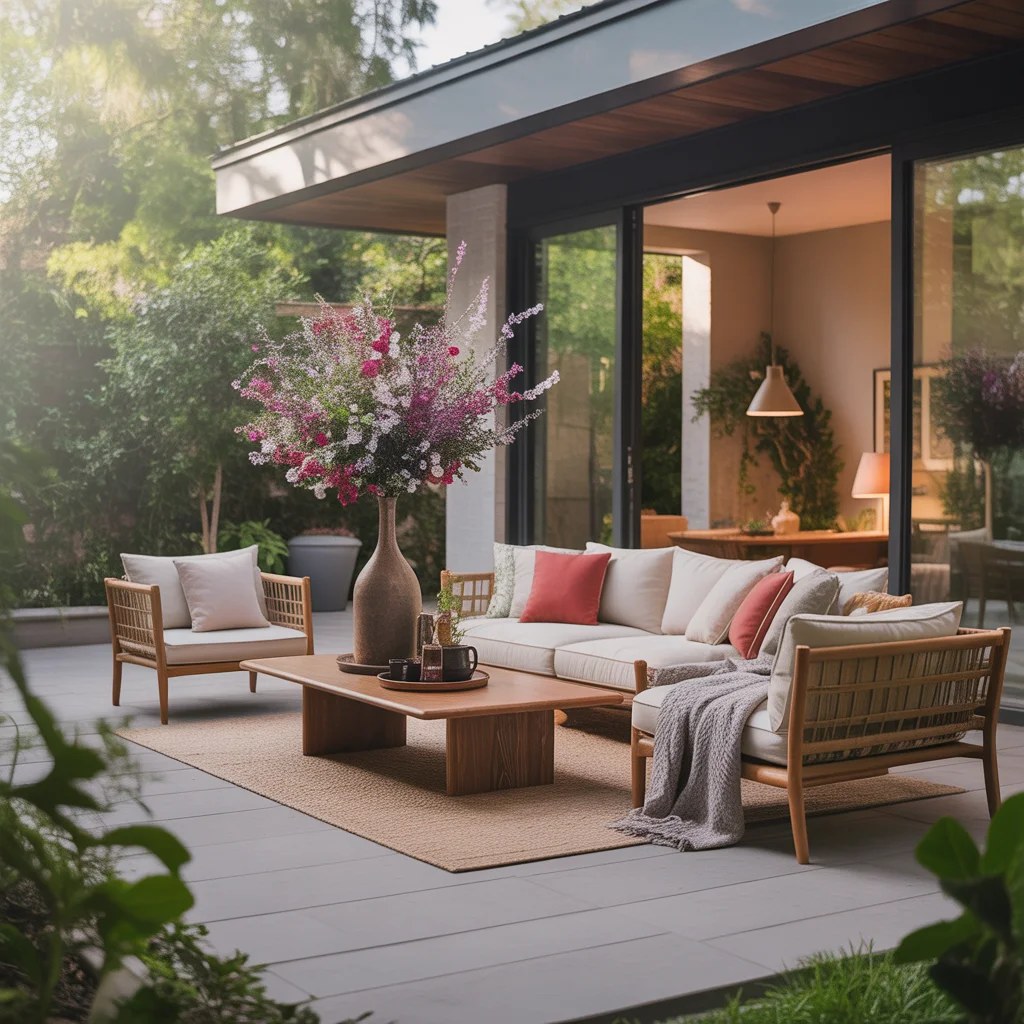
The Look: Combine weathered teacups with wildflowers and grasses, reflecting a rustic aesthetic that feels grounded and cozy, perfect for outdoor spaces.
How to Do It: Choose mismatched teacups and fill each with wildflower seeds. Simple and charming, you can create a garden for less than $50 ($$) while adding eclectic charm to your space.
Pro Tip: Allow the flowers to go to seed in the teacup for next season’s blooms!
8. Color Explosion — Vivid Arrangements
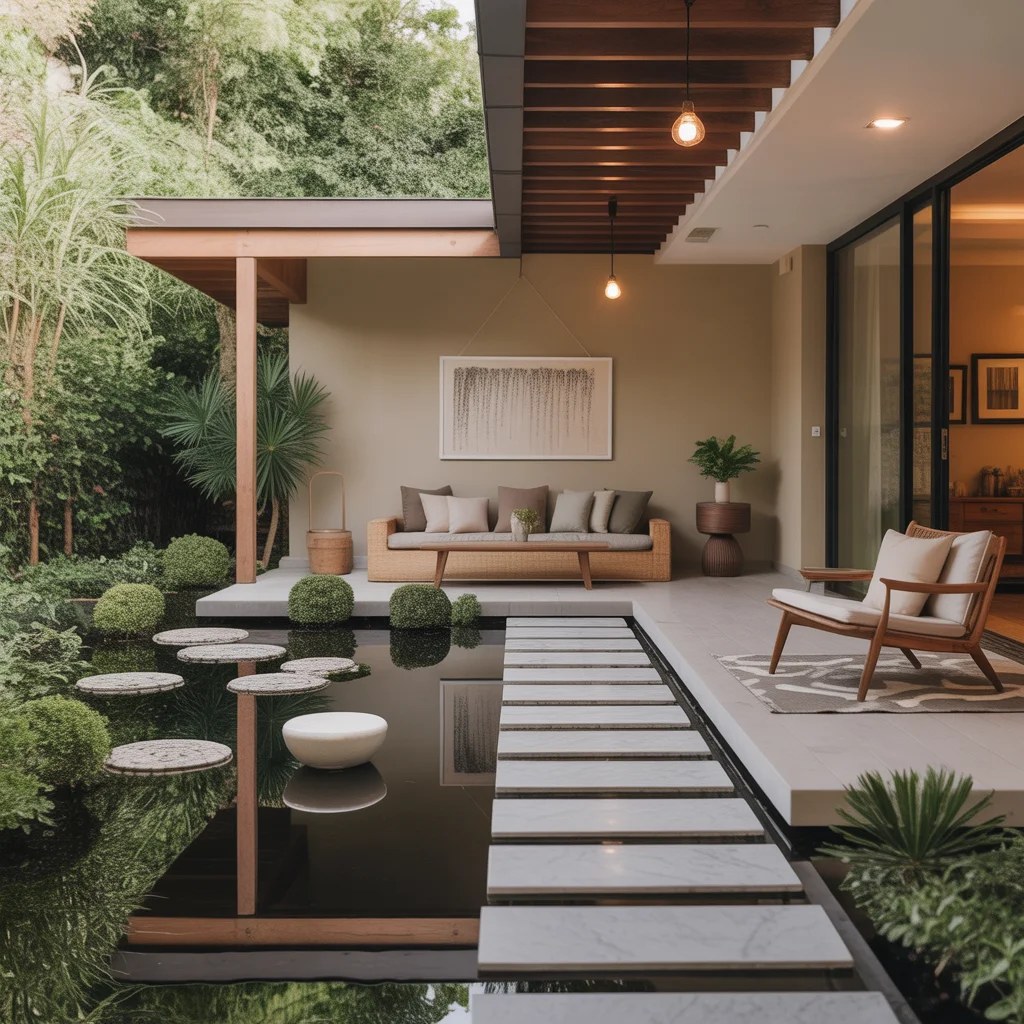
The Look: Create a vibrant display bursting with brightly colored flowers like marigolds, zinnias, and nasturtiums. The eclectic colors against ceramic teacups make a striking statement.
How to Do It: Use medium-sized teacups and fill with potting soil. Plant a mix of annuals that thrive in sunny spots, and cost can be around $30-50 ($$).
Pro Tip: Choose flowers that bloom at different times for a continual color show!
9. Zen Garden — Tranquility in Miniature
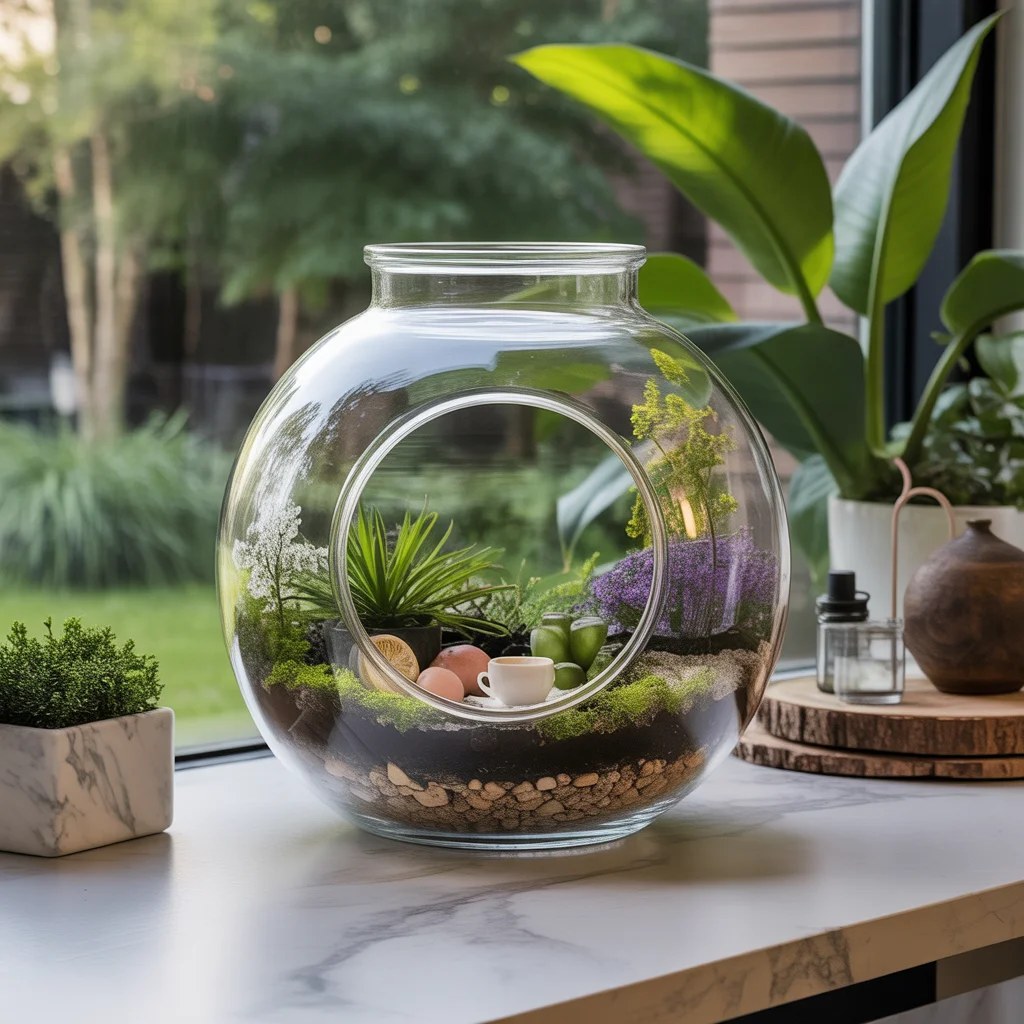
The Look: A simple teacup filled with sand, pebbles, and a carefully placed figurine imbues a sense of peacefulness and calm.
How to Do It: Use a small cup and layer a 2” bed of sand topped with decorative pebbles. A few well-placed bamboo stakes or a miniature figure costs about $20-30 ($).
Pro Tip: Add a tiny rake for extra zen charm!
10. Spectacular Succulent Wreath — Innovate with a Twist
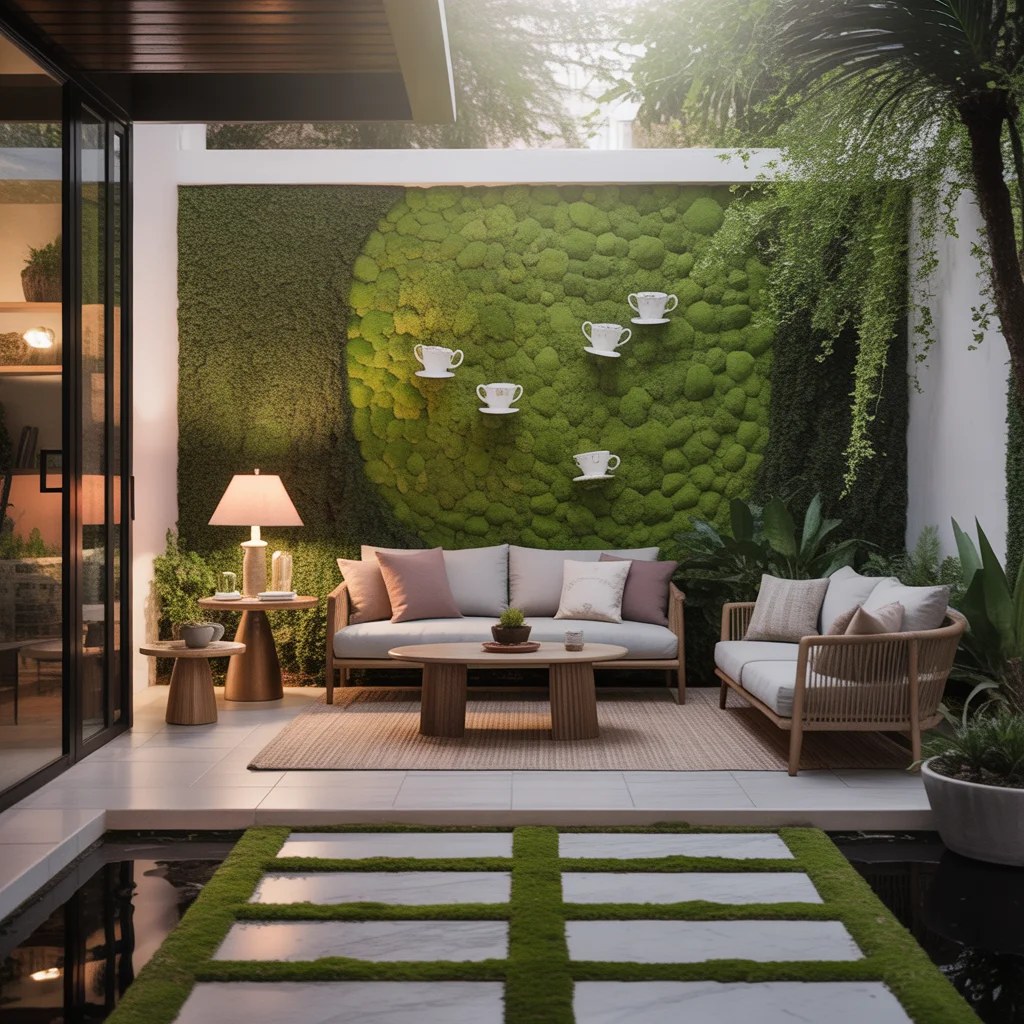
The Look: Create a small wreath using teacups surrounded by a lush ring of flourishing succulents. This leads to an inventive way to approach decor!
How to Do It: Source small teacups and an 8” sponge wreath form. Glue succulents around the wreath—a project that can run approximately $75 ($$$) and serves as a stunning focal point.
Pro Tip: Secure succulents with fishing line for a tidy finish.
11. Nature’s Canvas — Artistic Arrangements
The Look: Transform your teacups into art pieces by painting them with floral or abstract designs that speak to your personality.
How to Do It: Purchase a set of plain white teacups from craft stores for around $20 ($) and use porcelain paint to create designs. Fill them with your preferred greenery or flowers.
Pro Tip: Allow your designs to cure as per the paint instructions for lasting beauty.
12. Miniature Zen Garden — Calm and Focus
The Look: Picture a small teacup filled with raked sand, smooth stones, and a serene figurine, perfect for a calming desk decor.
How to Do It: Take a small teacup; fill it with sand and arrange stones or crystals at its base. Expect costs around $10-15 ($) for a simple but peaceful touch.
Pro Tip: Use a mini rake to add texture to the sand.
13. Color Blocked Beauty — Symmetry and Order
The Look: Arrange teacups of varying sizes in a color-blocked pattern, each hosting a lush plant that matches its hue.
How to Do It: Purchase assorted teacups and an array of medium-sized plants, costing approximately $50-75 ($$). Place them on a tiered stand or shelf for a harmonious display.
Pro Tip: Stick to a color palette for a cohesive look.
14. Earthy Elegance — Using Raw Materials
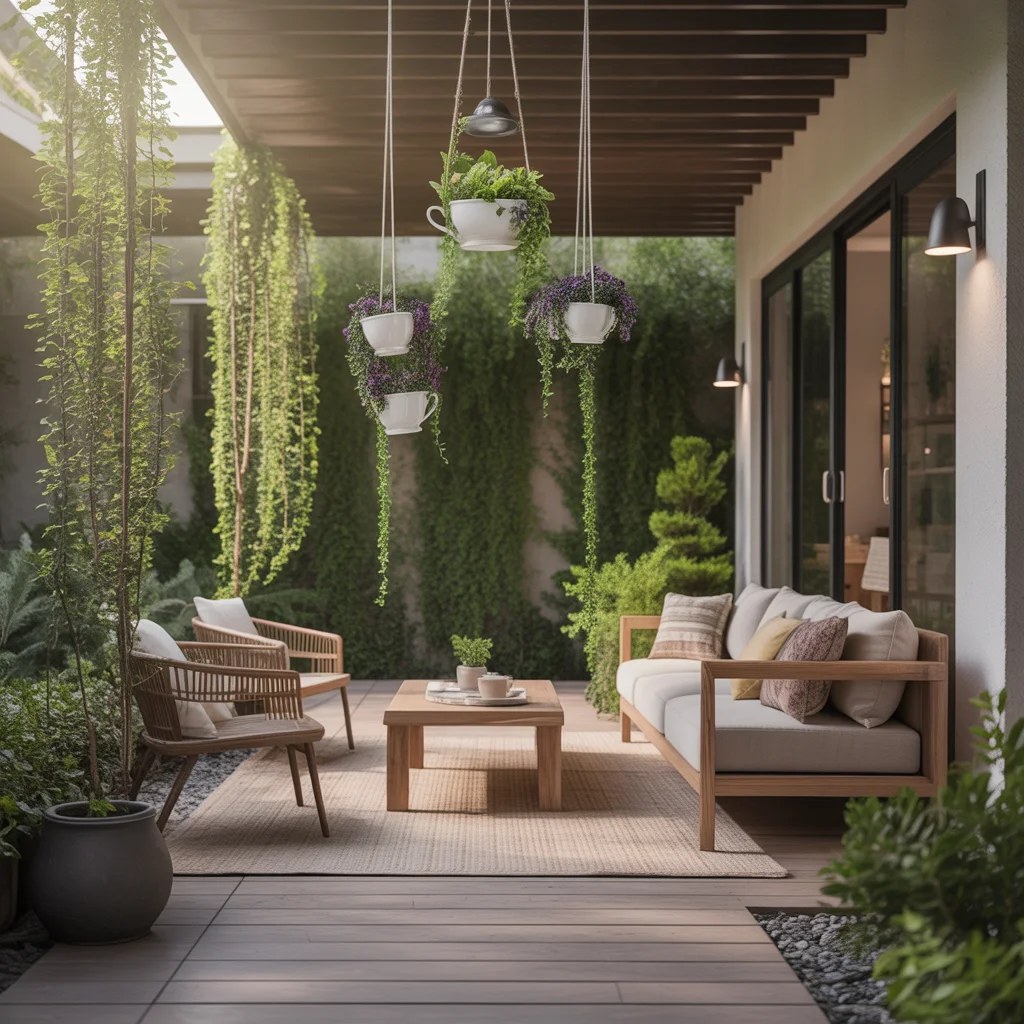
The Look: Combine earthy tones of clay teacups filled with earthy potting mix, topped with organic stones and natural color plants.
How to Do It: Source simple clay teacups and natural materials, which can cost $30-$60 ($$). Their organic look highlights the beauty of nature.
Pro Tip: Incorporate small pinecones or branches to add a woodland feel.
15. Holiday Cheer — Seasonal Swaps
The Look: Change your teacup decorations according to holiday themes; think pastel colors for spring, shades of red and green for winter.
How to Do It: Purchase themed cups throughout the year, adjusting decorations as the seasons change for about $20-40 each ($), ensuring your space feels timely and fresh.
Pro Tip: Incorporate holiday-themed small ornaments to elevate the charm.
How to Choose the Right Style for Your Space
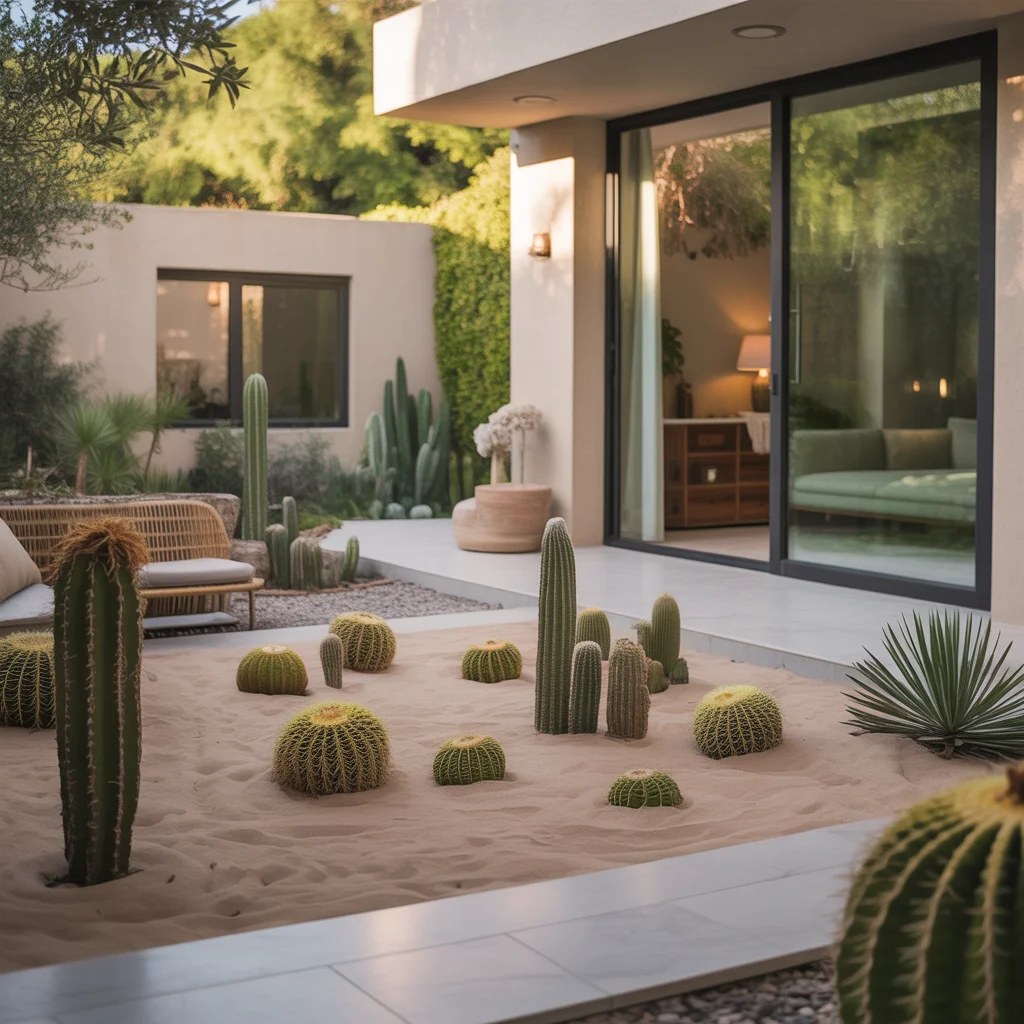
Choosing the right teacup garden style begins with understanding your existing decor. Consider your room’s color palette and furniture style; for instance, if your space has modern lines, opt for sleek white teacups filled with minimalist succulents. Alternatively, bohemian spaces might benefit from eclectic, vintage teacups overflowing with wildflowers.
Be mindful of your daily lifestyle—if you’re not around often, low-maintenance succulents may be best. For those who enjoy cooking, herbs are a wonderful way to integrate beauty with practicality. By aligning your selection with your space and routine, you’ll curate a garden that feels both personal and fitting.
Budget Breakdown
A breakdown by budget tier helps you understand what to expect when beginning your teacup garden journey:
- $ (Under $100): Simple teacups, basic flowers or greenery, and minimal accessories. Expect to create 3-5 gardens.
- $$ ($100-$500): A combination of unique teacups, mid-range greenery, decorative add-ons, and possibly comprehensive plants for different themes.
- $$$ ($500+): Premium vintage cups or artisanal creations, deluxe plants, and professional-grade accessories for those looking to maximize visual impact.
5 Expert Tips Before You Start
- 1. Sketch Your Ideas: Visualize your garden layout before starting to select plants and cups.
- 2. Begin Small: Choosing one to three cups will keep your project manageable and allow you to perfect your technique.
- 3. Consider Drainage: Always include a method to drain excess water to avoid root rot.
- 4. Mix Textures: Combine different types of plants for a more visually stimulating garden.
- 5. Personalize It: Infuse your personality into the garden with items that have sentimental value.
Frequently Asked Questions
Q: Can I use any teacup for my garden?
A: Yes, as long as it’s not too porous or fragile—ceramic and porcelain are best.
Q: How do I water my teacup garden?
A: Water sparingly; ensure excess water drips out to avoid waterlogged soil.
Q: What plants are best for indoors?
A: Succulents, herbs, and small tropical plants thrive indoors.
Q: Can I create a teacup garden outside?
A: Absolutely! Just be mindful of the climate and choose plants accordingly.
Q: How often should I repot my plants?
A: Repot when plants outgrow their teacups, generally every 1-2 years.
Final Thoughts
Exploring teacup garden decor ideas opens avenues for creativity and connection to nature. Whether you gravitate towards whimsical fairy gardens or sleek succulent symphonies, these petite gardens allow personal expression while beautifying your surroundings. I encourage you to explore these ideas, unleash your imagination, and transform your space into a charming oasis. Try your favorites, share your creations, and let your garden grow!