15 Stunning Small Apartment Shelf Decor Ideas That Spark Joy
“A shelf is not just a surface; it’s a canvas for your personality.”
In the world of small apartment living, every square inch counts, including your shelves. Thoughtfully styled shelves can serve as a window into your personality while optimizing your space. However, one misstep can turn your curated arrangement into a chaotic eyesore. This guide provides you with essential tips and 15 inspiring ideas to create shelves that are not only functional but also visually delightful.
Whether it’s your living room, bedroom, kitchen, or office, the way you style your shelves defines your apartment’s character. Read on to explore a collection of curated shelf decor ideas that balance beauty and practicality, ensuring your small apartment feels expansive, welcoming, and truly personal.
1. Embrace the Rule of Three — A Balanced Trio
The Look: Creating groupings of three infuses your shelves with rhythm and visual interest. Imagine a tall leafy plant paired with a medium-sized decorative object and a short candle nestled in a textured bowl. This arrangement draws the eye without overwhelming the senses, producing an elegant look.
How to Do It: Start by choosing three contrasting yet complementary items from your collection. Consider materials like ceramic, wood, or metal. Aim for a budget tier of $$ (around $100) for lovely accents from stores like Target or West Elm.
Pro Tip: Avoid placing every grouping too closely together; empty space enhances the visual impact of your arrangements.
2. Height Variation is Key — Dance of Dimensions
The Look: A shelf featuring objects of varying heights has a dynamic energy. Picture a monochromatic stack of books on a lower tier supporting a vibrant, potted plant reaching towards the sky, creating a conversation between high and low.
How to Do It: Mix vertical and horizontal placements. Stack a few thick hardcover books beneath a delicate vase for contrast. Budget around $50 for a set of books at a local thrift store or library sale.
Pro Tip: Use pedestal risers — even small boxes — to elevate shorter objects and achieve that captivating height contrast.
3. Edit Ruthlessly — Less is More
The Look: A curated shelf that embraces minimalism feels serene and intentional. Visualize a single eye-catching artwork beside a well-loved book, allowing each piece to breathe without competition.
How to Do It: Empty your shelf completely and only return items that actively contribute to your style – like treasured mementos or beautifully designed decor. A budget tier of $ is ideal for thrift stores or local flea markets to find unique pieces.
Pro Tip: Before placing an item back, ask yourself what story it tells; if it doesn’t resonate, it’s time to find a new home for it.
4. Books as Art — Vertical, Horizontal and Everything In-Between
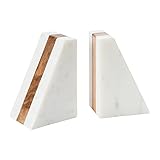
The Look: Books offer diverse textures and colors; think of a neatly stacked pile of leather-bound books with a quirky sculpture nestled on top. The rich spine hues provide warmth and character.
How to Do It: Mix vertical and horizontal stacking: line up a few appealingly colored spines vertically and lay others horizontally, forming platforms for decorative pieces. Allocate around $$ (roughly $150) for a selection of unique or decorative books at local bookstores or online retailers like Amazon.
Pro Tip: Remove dust jackets for a more uniform look, revealing minimalistic spine designs that lend themselves beautifully to décor.
5. Living Plants — Nature’s Touch
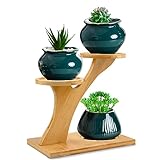
The Look: Adding greenery to your shelves enlivens the atmosphere; imagine a cascading pothos plant draping gracefully over the shelf edge, contrasting with the sturdy geometry of stone bookends.
How to Do It: Opt for low-maintenance plants like snake plants or succulents, generally priced at around $$ (approximately $30 each) at local garden centers or online stores like The Sill.
Pro Tip: Err on the side of caution by limiting yourself to one plant per shelf section; creating a focal point minimizes clutter.
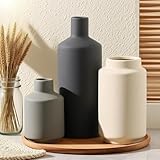
6. Curated Ceramics — A Textural Playground

The Look: A collection of small ceramic bowls and vases in varied finishes creates a tactile tapestry. Picture speckled mugs and smooth-planed vases creating an interplay of light and shadow on your shelf.
How to Do It: Group ceramics by finish rather than color for a well-thought-out approach. Budget around $$ (up to $200) for an artisanal collection you may find at Etsy or home good stores.
Pro Tip: Avoid mixing too many finishes; consistency in texture will maintain a streamlined look, adding elegance to the display.
7. Artful Framed Prints — The Decor Statement
The Look: Framed art adds an expressive flair; envision a colorful abstract piece supported at the back of the shelf with smaller items harmoniously arranged in the foreground, composing a layered tableau.
How to Do It: Invest in simple frames (consider $$, around $40-100 each), and explore strategies to style them by leaning against shelves instead of wall mounting. Check stores like IKEA or Society6 for stylish options.
Pro Tip: Use a frame mat to increase the perceived size of smaller artwork, giving it a gallery-worthy appeal.
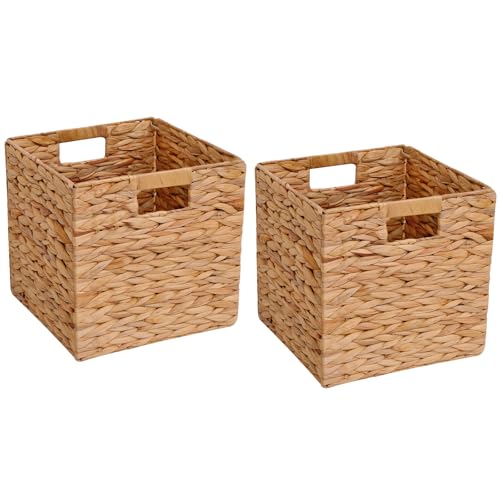
8. Baskets for Organized Elegance
The Look: Woven baskets introduce warmth and texture; think of a beautifully handwoven basket tucked at the corner, effortlessly housing remotes and clutter while maintaining a chic appearance.
How to Do It: Opt for natural materials like seagrass or rattan, generally priced between $ (around $30) to $$ (up to $100) depending on size and quality. LadyBirdHome or Anthropologie offer a unique selection.
Pro Tip: Choose baskets with lids to keep items unseen; a streamlined effect quickly transforms chaos to order.
9. Clear Containers for Visual Lightness
The Look: Clear glass containers create an airy effect, enabling you to display beautiful items like colorful orbs or seasonal decor, maintaining the feeling of spaciousness.
How to Do It: Utilize glass jars or cloches (budget tier $ – about $20-50 for a set). Sources like Amazon or a local home goods store can offer excellent options.
Pro Tip: Group items within clear containers to maintain a sense of visual lightness while making them look artfully intentional.
10. Layered Textiles — A Cozy Touch
The Look: Soft textured fabrics such as woven trays and linen napkins cozy up a shelf, adding the softness of textiles amidst harder decor. Imagine a soft, natural linen draped across a wooden shelf, against minimalist decor.
How to Do It: Incorporate woven trays or fabric runners into your decor for $ (about $20-60) from stores like HomeGoods or Wayfair.
Pro Tip: Select fabrics in neutral tones to ensure cohesion with various decor styles, easing the intro of coziness without overwhelming the shelf.
11. Signature Scent — Adding a Candle Moment
The Look: Candles introduce ambiance and fragrance, envision a beautifully arranged corner lit by an elegant candle, creating an inviting atmosphere perfect for relaxation.
How to Do It: Opt for a unique candle vessel or a minimalist candle in a sturdy holder for around $$ ($25-75). Brands like Jo Malone or Yankee Candle have offerings perfect for decor.
Pro Tip: Choose candles with elegant, clean lines for a contemporary feel; avoid overly scented varieties if you favor a subtle ambiance.
12. Personal Mementos — Feelings of Home
The Look: Incorporating personal mementos—think travel souvenirs or heirlooms—instills a sense of history and warmth. Picture a delicate trinket from your travels sitting beautifully next to a small green plant.
How to Do It: Limit personal items to a few favorites; sourcing could involve digging through old boxes. Keep them within the budget of $ (typically under $50). These poignant touches evoke emotion and connection.
Pro Tip: Incorporate stories; labeling or tagging these mementos can spark conversations and intrigue for visitors.
13. Bold Color Blocks — A Vibrant Splash
The Look: A shelf punctuated by bold splashes of color can bring a joyful and youthful energy. Visualize bright red books set against a calming gray vase, striking a colorful balance.
How to Do It: Collect a few high-impact items that resonate with vibrant hues (aim for $$ – $50-150 for a few statement decor pieces). Explore online platforms or decor outlets for colorful finds.
Pro Tip: Use contrasting colors wisely; complementary hues create energy while maintaining visual harmony.
14. Floating Shelves — Space-Saving Elegance
The Look: Floating shelves provide a sense of openness; imagine a sleek wood shelf holding miniature succulents and colorful art, creating visual layers up the wall.
How to Do It: Install floating shelves using kits available for $$ (generally $100-300 depending on size and material). Retailers like Home Depot or local hardware stores offer options to install yourself.
Pro Tip: Position floating shelves at varying heights for added interest and create a unique visual dynamic while ensuring easy accessibility.
15. Seasonal Decor — Change with the Times
The Look: Rotating seasonal decor injects freshness and relevance; think of autumn leaves and pumpkins transitioning into festive winter decorations, maintaining a spirited atmosphere all year round.
How to Do It: Invest small amounts ($ for seasonal items around $20-50) from local craft stores or dollar bins; aim for versatile pieces that can transition through the seasons, enhancing the atmosphere.
Pro Tip: Maintain a designated box for off-season decor items; rotating pieces prevents clutter while breathing new life into your shelves.
How to Choose the Right Style for Your Space
When selecting shelf decor, consider the existing aesthetics of your space. If your furniture and flooring lean towards neutral tones, accentuate your shelves with vibrant colors like deep greens and bold reds to create a focal point. Conversely, if your space is already saturated with rich colors, a more muted palette may allow your decor to breathe.
Pay attention to the functionality of your space as well. For bustling areas like the living room, prioritize visually appealing yet practical pieces that remain organized and clutter-free. On the other hand, shelves in a bedroom can embrace a more personalized style, showcasing cherished memories and items reflecting your personality.
Budget Breakdown
Decorating doesn’t have to break the bank! Here’s a basic breakdown:
- $: Under $100 — Perfect for budget-friendly finds like small plants, candles, and thrifted books.
- $$: $100-$500 — Great for curated decor pieces, artisanal ceramics, and quality baskets.
- $$$: Over $500 — Higher-end investments for customized shelving units or designer decor.
5 Expert Tips Before You Start
- 1. Start with a clean slate; remove everything from your shelves before deciding what items to keep.
- 2. Shop your home first; use items you already own to build an eclectic but personal collection.
- 3. Be mindful of lighting; bright spaces may enhance colors while darker spaces benefit from lighter decor.
- 4. Reflect personal style; choose items that excite you emotionally or visually connect with you.
- 5. Don’t rush the process; allow your shelf decor to evolve as you find new pieces or alter your taste.
Frequently Asked Questions
Q: How can I avoid clutter on my shelves?
A: Focus on a limited number of items and embrace empty space to create balance.
Q: What types of plants are best for shelves?
A: Low-maintenance plants like succulents, snake plants, or pothos are excellent choices.
Q: How often should I change my shelf decor?
A: Consider seasonal changes or personal milestones; a refresh every 3-6 months is ideal.
Q: Can I mix finishes on my shelves?
A: Absolutely! Just ensure they share a color palette to maintain harmony.
Q: Is there a best way to balance colors on a shelf?
A: Use the 60-30-10 rule: 60% dominant color, 30% secondary color, and 10% accent colors for a balanced look.
Final Thoughts
With a little creativity and intention, your small apartment shelves can become exquisite showcases that reflect your life and style. From enhancing warmth with plants to creating visual interest through textures, each idea presented shows how you can craft spaces that feel both inviting and beautifully styled. Try out these ideas and transform your shelving into a piece of art—sharing your success with friends and family creates connections that extend beyond the home.